Key takeaways
- Swing gates need room to open and sliding gates need room alongside.
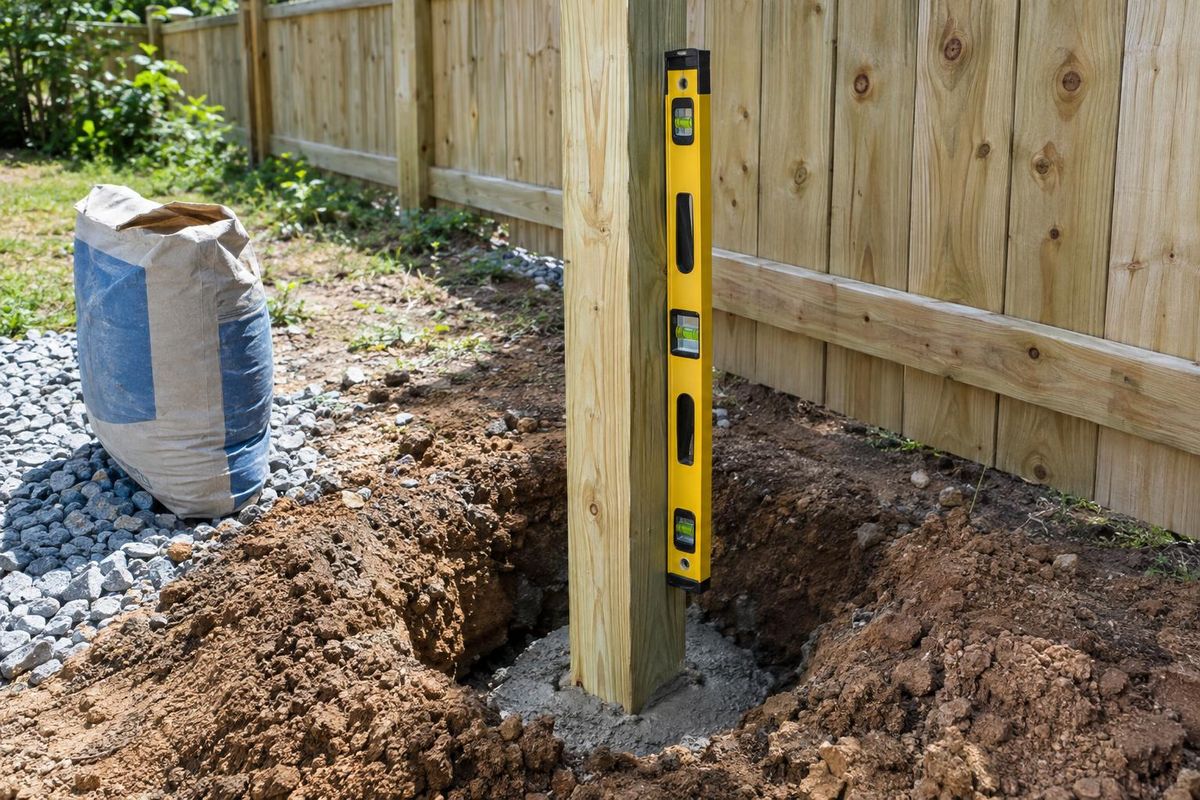
- Gate posts and footings are as important as the gate itself.
- Operators are chosen by gate type, weight and how often it is used.
- Safety sensors, backup power and good hardware matter.
Swing or sliding
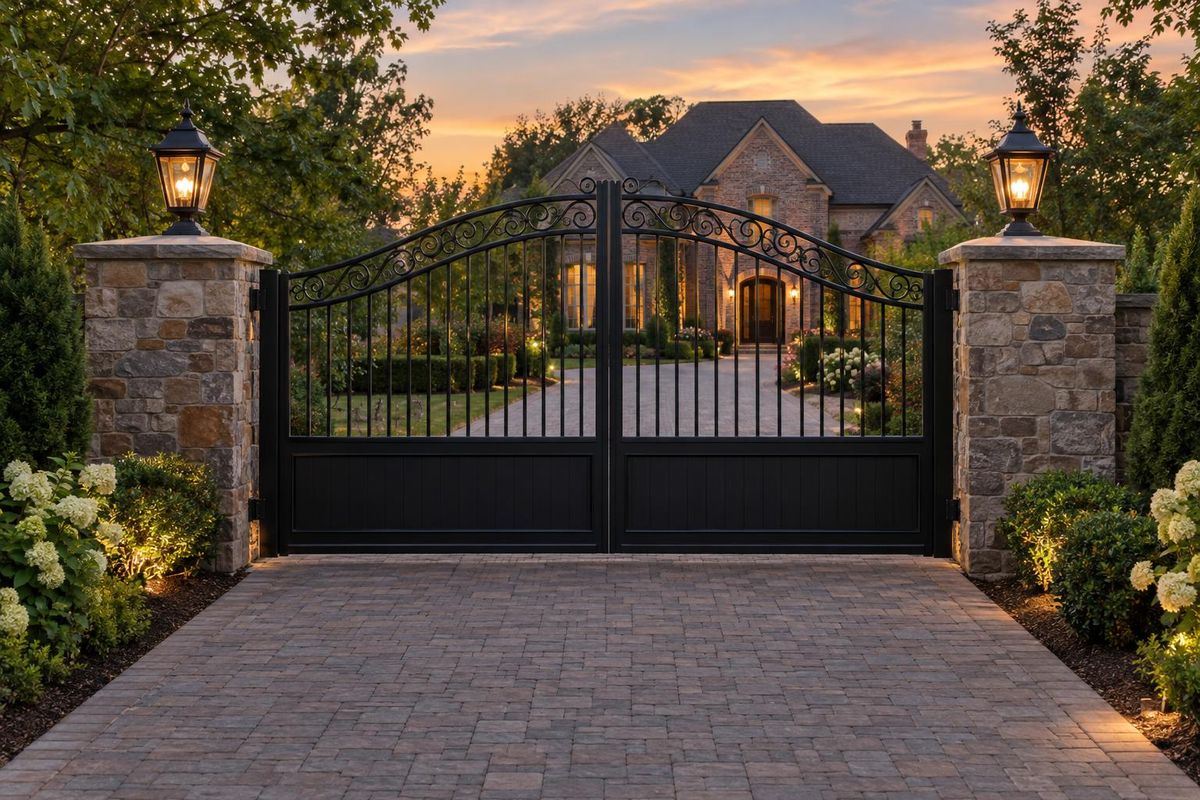
Swing gates are simple, attractive and economical, but they need clear space to open and can struggle on steep or uneven ground. Sliding and cantilever gates move along the fence line and work well on slopes and in tight spaces.
If you are not sure, we measure the opening, the slope and the room beside it and recommend one.
Materials and weight
Wood gates are warm and traditional but heavy. Aluminum is light and rust free, and steel is strong and secure. Heavier gates need larger posts or columns, stronger hinges and a bigger operator.
Weight is the reason gates sag, so the frame and hardware should be built for it.
Openers and access
Operators come in AC and solar versions, with arm, underground and slide types. Choose one rated for your gate's weight and your traffic. Keypads, remotes, intercoms and phone apps control who comes in.
Plan conduit and power during the fence build, because adding it later is harder.
Safety and backup
Good operators have sensors and edges that stop a gate if something is in the way, and a manual release or battery backup for outages. Gates near public roads may need extra setbacks.
Ask your installer to test the safety features and show you how to open the gate by hand.
Quick answers
How much room does a swing gate need?
At least its width, plus space for it to swing clear of vehicles and slopes.
Can I automate a gate I already have?
Often yes, if it is sound and hangs straight.
What if the power goes out?
Most operators have a battery backup or a manual release.