Key takeaways
- Six feet is the common backyard privacy height, and rules vary.
- Front yard fences are usually kept much shorter than backyard fences.
- Slopes and neighbors' windows change how much a fence hides.
- Open and solid styles can be combined for privacy where you need it.
Common heights
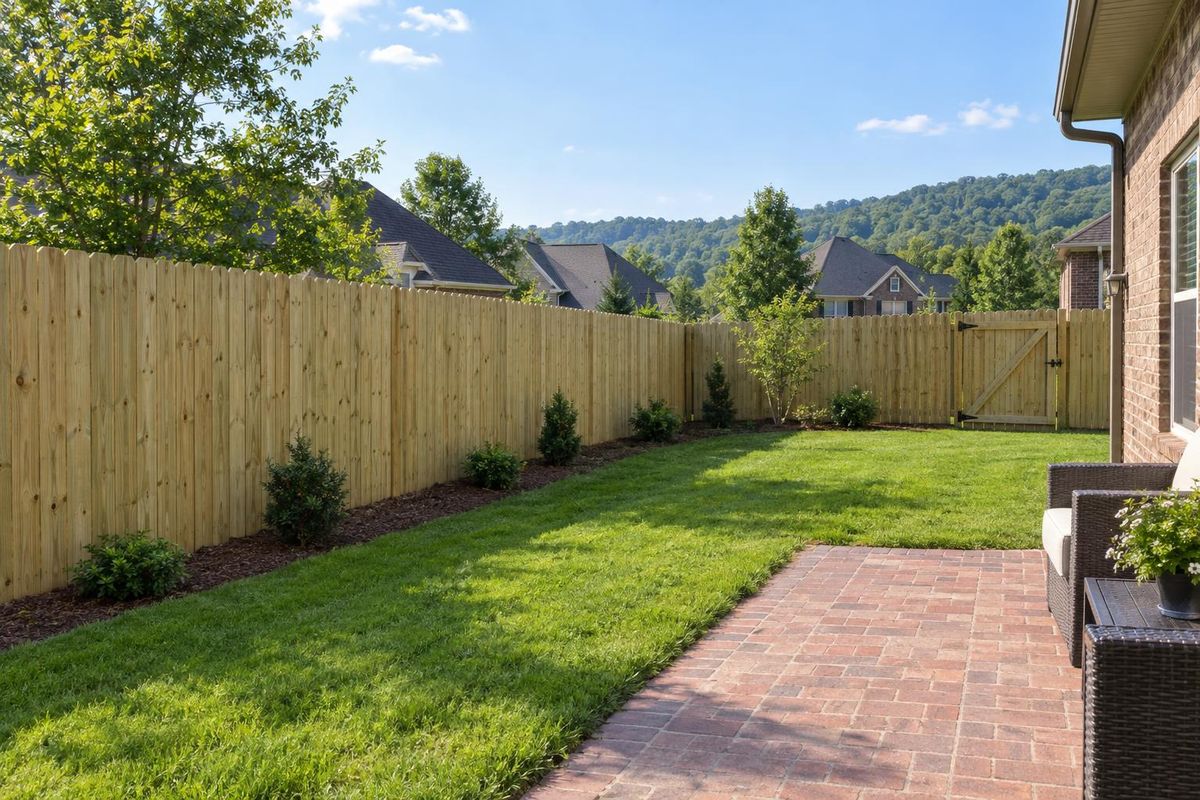
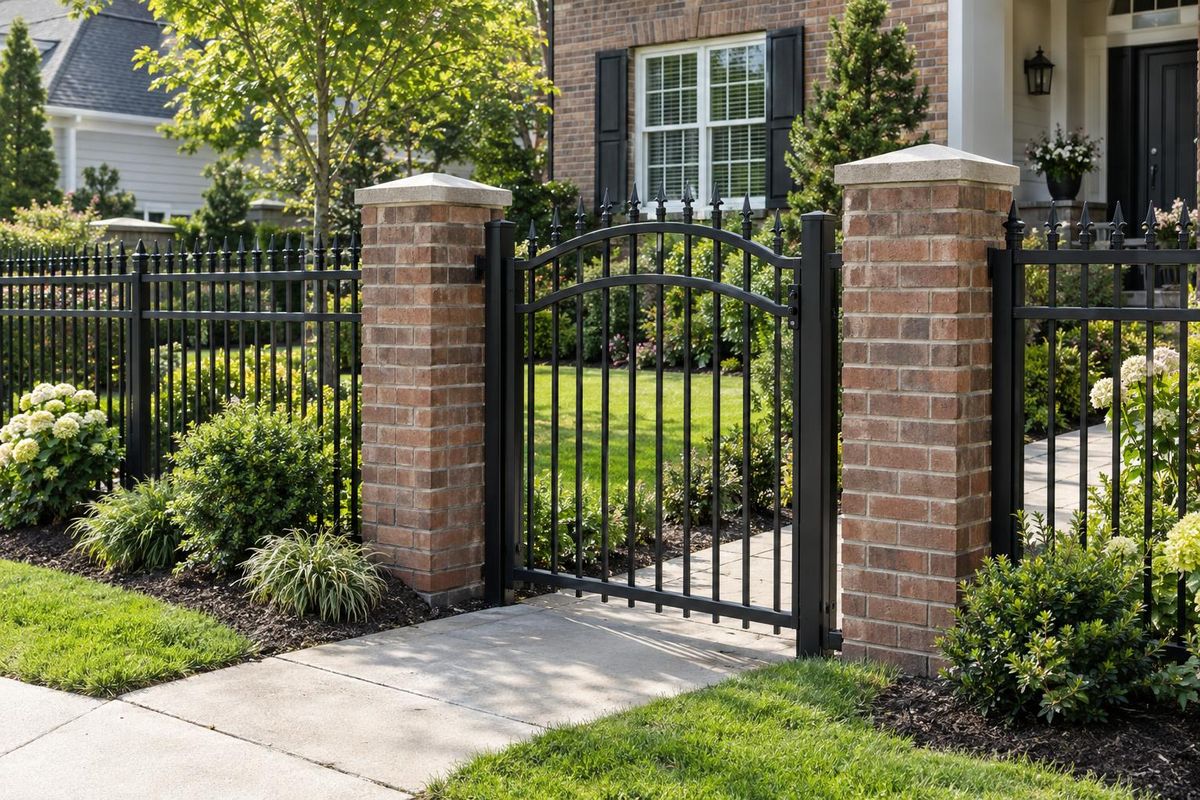
Backyard privacy fences are most often six feet tall. Front yard and decorative fences are usually three to four feet, and pool barriers are at least four feet in many places. Taller fences may be allowed for tennis courts, farms and commercial sites.
Local codes and neighborhood covenants set the actual limits, so check them before choosing.
Think about sightlines
Stand where you sit in the yard and look at what you want to block. A neighbor's second-floor window may see over a six-foot fence, and a sloping lot can make a fence look shorter from one side.
A taller section near the patio, a screen panel or a plant can solve what the whole fence cannot.
Solid versus open
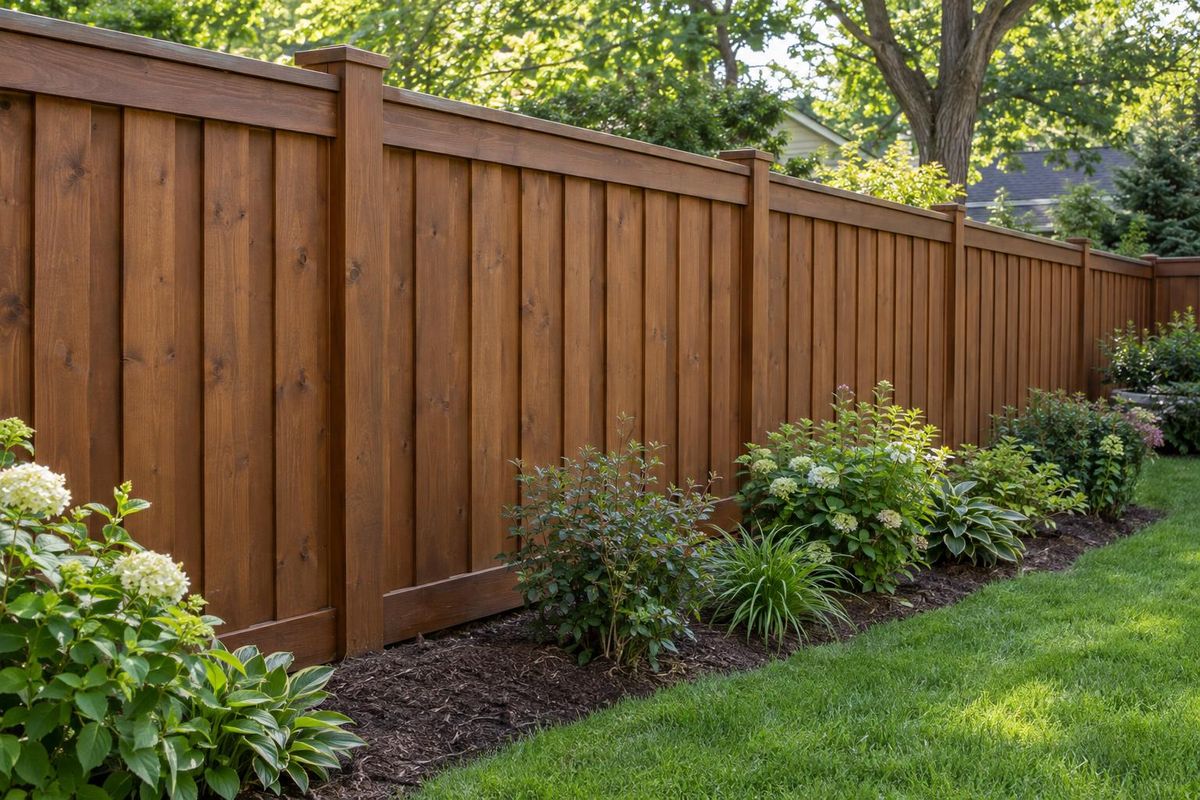
Solid fences give privacy and block noise but catch wind. Open fences keep a view and let air through. Shadowbox and louvered styles fall between the two.
You can also combine styles, with a solid fence along the neighbors and an open aluminum fence where there is a view.
Plan for slopes and gates
On a slope, fences are stepped in sections or racked to follow the ground. Stepping leaves triangular gaps at the bottom, which can be filled or left, depending on pets.
Place gates where you move mowers, wheelbarrows and equipment, and make them wide enough.
Quick answers
Is a six-foot fence tall enough?
For most backyards yes. If a neighbor has a second-floor view, a taller section or a screen can help.
Can I build an eight-foot fence?
Some places allow it and many do not. Check local rules and covenants first.
Will a solid fence block noise?
A tall, solid, tightly built fence reduces noise but does not eliminate it.