Key takeaways
- Different animals need different fences, and a fence for one can hurt another.
- Horse fence should be tall, visible and free of sharp points.
- Corners and gate posts are the most important parts of a wire fence.
- Cross fencing makes pastures easier to manage.
Match the fence to the animal
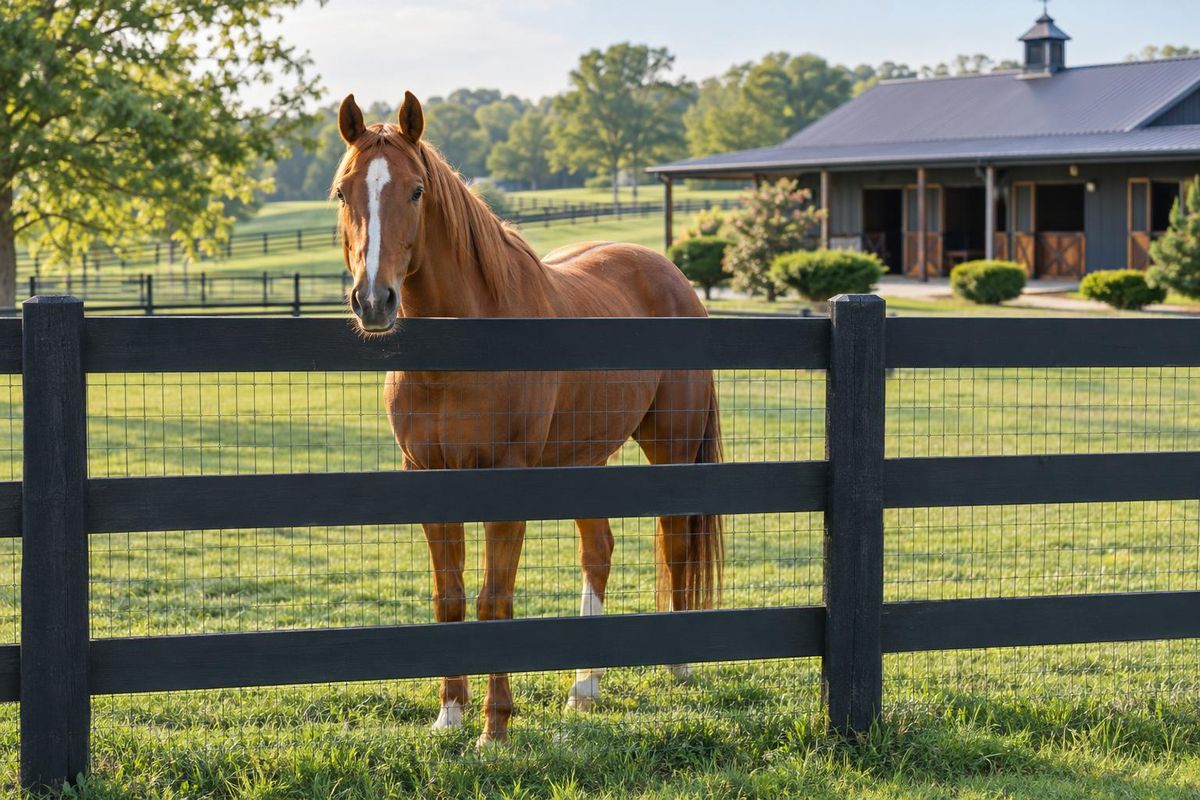
Cattle respect a few strands of barbed or high-tensile wire. Goats and sheep need tight woven wire or panels. Horses need a fence they can see, with no loose wire or sharp ends, such as board, rail, coated wire or no-climb mesh.
When you keep several species, the strictest animal sets the standard.
Posts, corners and gates
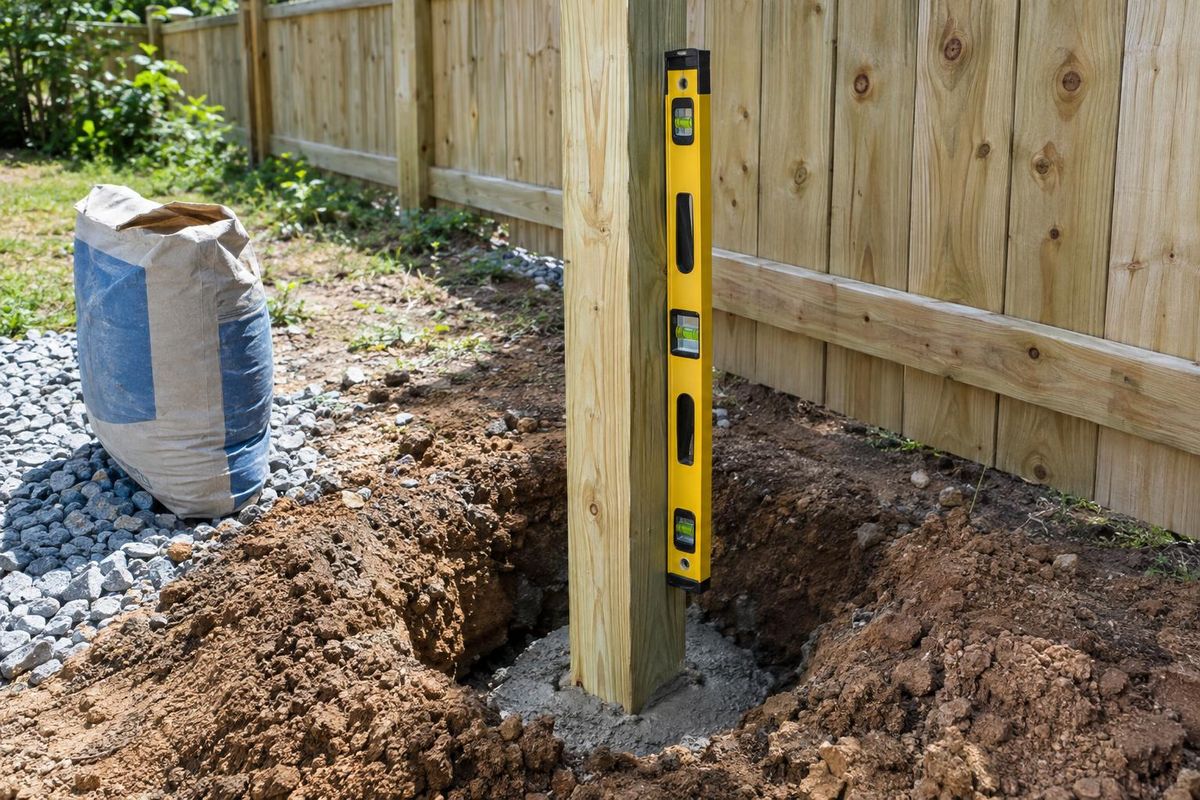
Line posts are spaced by the fence type, and corners and gates carry the pull of the fence, so they are bigger, set deeper and braced. A well-built H-brace keeps wire tight for a long time.
Gates should be wide enough for equipment and hung on heavy posts.
Visibility and safety
A horse running at speed has to see the fence. Wide boards, white or black rails and visible tape help. Avoid barbed wire and loose wire strands where horses live.
Corners should be rounded or built so a horse cannot be trapped.
Plan the pastures
Cross fences let you rest and rotate pasture so the grass lasts. Water, shade and working pens should be planned before the fence goes in.
A good plan saves you from moving fence later.
Quick answers
What is the safest fence for horses?
Smooth board, rail, coated wire and no-climb mesh are common choices. Barbed wire is not recommended.
How tall should a horse fence be?
Four and a half to five feet is typical for horses.
How often does wire fence need tightening?
It depends on the build and weather. Good corners and tensioners keep it tight longer.